Top 10 Tooth-Friendly Halloween Treats That Kids Will Actually Love

Key Takeaways:
- Dark chocolate and sugar-free gum can be more tooth-friendly choices than sticky, hard, or sour candies.
- Sticky, gummy, hard, and sour candies can be harder on children's teeth because they may stay in the mouth longer or expose teeth to sugar or acids.
- Frequent sugar exposure can increase cavity risk, so enjoying treats with meals rather than grazing on them throughout the day can be a better approach.
- Water, regular brushing, and daily cleaning between the teeth can help support your child's oral health after Halloween.
- Regular pediatric dental visits help monitor your child's oral health and identify problems early.
Halloween candy is part of the fun, but not every treat affects your child's teeth in the same way. Some candies stick around longer, while others are easier to clear from the mouth. If you're looking for practical advice from a pediatric dentistry practice in Suwanee, GA, knowing what to limit and how to enjoy treats in moderation can help you protect your child's smile.
What This Blog Covers
- What Makes a Halloween Treat Easier on Teeth?
- 10 Tooth-Friendly Halloween Treats and Habits
- Halloween Candy Choices Parents Should Limit
- What Should Kids Do After Eating Halloween Treats?
- When Should Parents Schedule a Dental Visit?
Some Halloween treats are easier on children's teeth than others. Small portions of chocolate, cheese, fruit, and sugar-free gum can be better choices than sticky or hard candy, especially when treats are enjoyed with meals instead of throughout the day.
What Makes a Halloween Treat Easier on Teeth?
A Halloween treat may be easier on teeth when it doesn't stick to the teeth for long, contains less added sugar, or is enjoyed with a meal. Sugary foods can give oral bacteria the fuel they need to produce acids that contribute to tooth decay. Frequent exposure can create repeated acid challenges for the teeth.
Saliva helps wash away food particles and buffer acids in the mouth.
Consider these factors when choosing Halloween treats:
- Clearance time: Treats that don't stick to the teeth are generally easier to clear from the mouth.
- Saliva stimulation: Chewing can increase saliva flow, which helps wash away food particles and buffer acids.
- Food pairing: Foods such as cheese can be a useful savory option alongside or between sweet treats.
- Frequency of exposure: Eating candy with a meal or shortly afterward can be better for teeth than frequent snacking throughout the day.
10 Tooth-Friendly Halloween Treats and Habits
Better Halloween choices include less-sticky treats and snacks with less added sugar, such as small portions of chocolate, cheese, fruit, and sugar-free gum.
1. Chocolate Squares
Chocolate can be a better choice than sticky or hard candy because it generally clears from the teeth more easily.
Small portions of dark or milk chocolate can fit into a balanced Halloween routine. Dark chocolate may contain less sugar than some milk chocolate, but portion size still matters.
|
Feature |
Chocolate |
Sticky Candy |
|
Clearance |
Generally easier to clear from the mouth |
More likely to cling to tooth surfaces |
|
Sugar Exposure |
Varies by product and portion |
Can remain in contact with teeth longer |
|
Dental Consideration |
Less likely to stick to teeth |
May increase prolonged sugar exposure |
2. Sugar-Free Gum
Sugar-free gum can be a useful alternative to candy because chewing increases saliva flow.
Only offer gum to children who are developmentally ready to chew it safely.
3. Cheese and Whole-Grain Crackers
Cheese can be a useful savory option because it provides calcium and can stimulate saliva flow.
If you serve crackers, choose a modest portion and pair them with cheese or another filling snack rather than treating them as a replacement for good oral hygiene.
4. Apple Slices With a Protein-Rich Dip
Apple slices provide a naturally sweet snack along with fiber and other nutrients.
Pairing apples with peanut butter can make the snack more filling. Fresh fruit can be a less sugary alternative to candy, but it doesn't replace brushing or cleaning between the teeth.
5. Yogurt Without Added Sugar
Unsweetened or no-added-sugar yogurt provides calcium and protein without the added sugar found in many sweetened desserts.
6. Fresh Fruit
Fresh fruit such as mandarin oranges can provide a naturally sweet option with fiber and other nutrients.
Whole fruit is generally a better everyday choice than fruit juice because it contains fiber and doesn't provide sugar in the same concentrated form.
7. Nuts for Age-Appropriate Eaters
Nuts can be a lower-sugar snack for children who are developmentally ready to eat them safely.
Because whole nuts can be a choking hazard for young children, parents should follow age-appropriate feeding guidance.
- Young children: Avoid whole nuts when they aren't developmentally appropriate because of choking risk.
- Older children: Age-appropriate portions of nuts or seeds can be a lower-sugar snack.
- Dental consideration: Choose plain or lightly flavored options instead of sticky, sugar-coated varieties.
8. Popcorn Without Sticky Coatings
Plain or lightly seasoned popcorn can be an occasional snack, but parents should consider age appropriateness and supervise younger children.
Avoid caramel-coated or heavily sweetened popcorn because these varieties add sticky sugars.
- Avoid sticky coatings: Caramel and thick syrups add sugar and can make popcorn more likely to stick to the teeth.
- Keep it simple: Plain or lightly seasoned popcorn avoids unnecessary added sugar.
- Check for hard kernels: Remove unpopped kernels to reduce the risk of chipping or cracking a tooth.
9. Water as the Go-To Drink
Encourage children to drink or rinse with plain water after Halloween treats to help wash away leftover sugars and acids. Water is also a better everyday choice than sugary or acidic drinks such as soda and sports drinks.
10. Small Portions of a Favorite Treat
A small portion of a favorite treat can be part of Halloween without turning candy into an all-day snack.
Helpful strategies include:
- Set a portion: Let children choose a reasonable amount instead of grazing from a large candy stash all day.
- Pair treats with meals: Eating candy with or shortly after a meal can be easier on teeth than frequent snacking.
- Save or donate extras: Keep a smaller selection of favorite treats and consider donating the rest.
Halloween Candy Choices Parents Should Limit
Some candies are harder on children's teeth because they stick around longer or contain acids that can contribute to enamel erosion.
Sticky and Gummy Candies
Sticky treats such as gummies and caramels can be harder on teeth because they cling to tooth surfaces and may be difficult to clear.
Because they can remain in contact with the teeth longer, they may increase exposure to cavity-causing sugars.
Regular brushing and daily cleaning between the teeth remain important after eating sticky foods.
Hard Candies and Lollipops
Hard candies and lollipops can expose teeth to sugar for longer because they take time to dissolve.
Biting down on hard candy can also chip or crack a tooth.
Small hard candies may present a choking risk for young children, so consider your child's age and developmental readiness.
What Should Kids Do After Eating Halloween Treats?
After Halloween treats, encourage children to drink or rinse with water and continue their normal oral hygiene routine.
If your child has had an acidic candy or drink, rinsing with water is a better immediate step than brushing right away.
Children should continue brushing twice daily with fluoride toothpaste and cleaning between their teeth daily.
Post-treat habits include:
- Water rinsing: Rinse or drink plain water after candy to help clear sugars and acids.
- Brushing: Brush twice daily with fluoride toothpaste.
- Cleaning between teeth: Clean between the teeth daily with floss or another interdental cleaner.
When Should Parents Schedule a Dental Visit?
When should a child see the dentist after Halloween?
A child doesn't necessarily need a dental visit immediately after Halloween. Continue your child's regular dental schedule and contact the dentist sooner if you notice tooth pain, sensitivity, visible changes, or other concerns.
Regular checkups allow the dental team to monitor your child's oral health and recommend preventive care when appropriate.
FAQs
Q. Which Halloween candy is worst for kids' teeth?
A. Sticky, hard, gummy, and sour candies can be harder on children's teeth. Sticky and hard candies can stay in the mouth longer, while sour candies contain acids that can contribute to enamel erosion.
Q. Is chocolate better for children's teeth than sticky candy?
A. Chocolate can be a better choice than sticky candy because it generally clears from the teeth more easily. Portion size still matters, and sugary treats should be enjoyed in moderation.
Q. Are sugar-free candies safe for kids' teeth?
A. Sugar-free candies generally do not provide the same sugar exposure as regular candy, but some can still be acidic. Sugar-free gum, particularly gum containing xylitol, may also stimulate saliva flow and can be a useful alternative for children who can safely chew gum.
Q. What should kids eat after Halloween candy?
A. After Halloween candy, offer water and regular snacks or meals such as cheese, plain yogurt, vegetables, or whole fruit. These options can provide useful nutrients without adding another concentrated source of sugar.
Q. Should children brush immediately after eating candy?
A. Children do not need to brush immediately after every piece of candy. They should continue their normal brushing routine. If they have had acidic candy or drinks, rinsing with water first can help. Follow your dentist's advice about when to brush.
Q. How can parents reduce the risk of cavities after Halloween?
A. Parents can help reduce cavity risk by limiting frequent candy snacking, offering water, choosing less-sticky treats, and maintaining consistent brushing with fluoride toothpaste and daily cleaning between the teeth.
Q. When should I schedule my child's next dental visit?
A. Keep your child's next dental visit on their regular schedule unless your dentist has recommended a different interval. Contact the dental office sooner if your child develops tooth pain, sensitivity, a visible dental problem, or another concern.
Dentistry4You provides pediatric dentistry in Suwanee, GA, with preventive care and guidance tailored to your child's age and oral-health needs. If you're searching for pediatric dentistry near me, our team can help you keep up with regular checkups and build healthy habits that support your child's smile year-round.
Ready to support your child's smile beyond Halloween? Schedule a pediatric dental visit with Dentistry4You in Suwanee, GA.
Conclusion
Halloween can still be fun without making candy an all-day habit. Choosing less-sticky treats, limiting frequent sugar exposure, offering water, and keeping up with regular brushing can help protect your child's teeth during the holiday.
External Links
Author
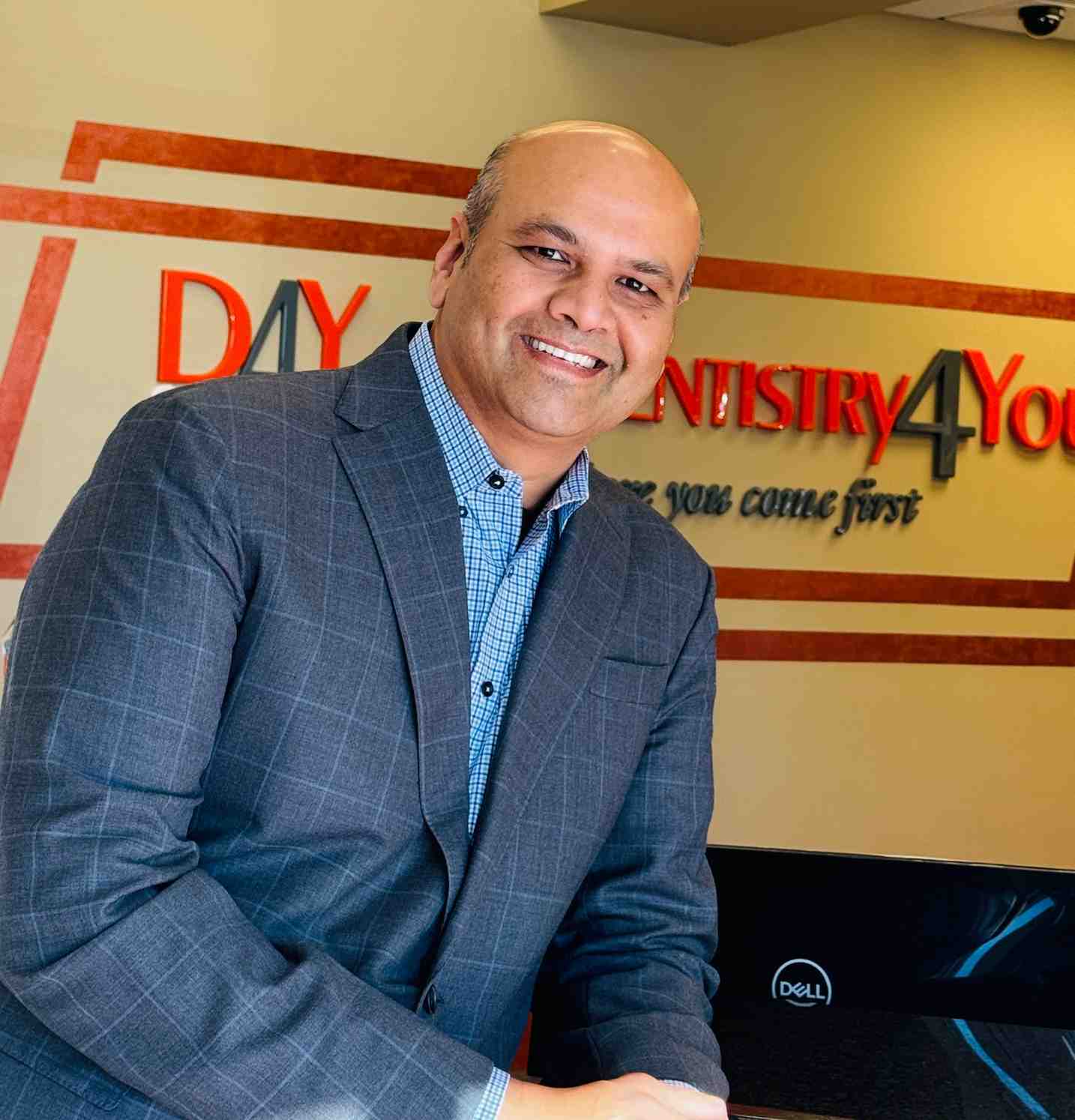
Dr. Uday
Dr. Uday is a trusted dental professional at Dentistry4You who puts patient comfort at the center of every visit. Known for his calm, reassuring approach, he combines advanced dentistry with personalized care focused on long-term oral health. Outside the clinic, he enjoys traveling and staying actively involved in the community. He serves on the Gwinnett County School Foundation Board and as an Executive Board Member of the Gwinnett Chamber of Commerce. Dr. Uday also volunteers at local health fairs and leads dental mission trips that provide free dental services to underserved communities in Africa.
Learn About
Our Offers

In our Suwanee, GA office, Dentistry4You proudly welcomes families of all ages, delivering trusted, personalized dental care in a modern and comfortable setting.
1039 Peachtree Industrial Blvd, Suite A116, Suwanee, GA 30024
Monday: 9:00am-7:00pm
Tuesday- Thursday: 8:00am-7:00pm
Friday: 8:00am-1:00pm
Saturday - Sunday: Closed
- General Dentistry
- Bridges
- Crowns
- Single Visit Crowns
- Fillings
- Night Guards
- Teeth Cleaning
- CEREC Crowns
- Dentures
- Fluoride Treatment
- Dental Sealants
- Sports Mouthguard
- TMD Therapy
- Sleep Apnea Therapy
- Sedation Dentistry
- Conscious Sedation
- Cosmetic Dentistry
- Bonding
- Full Mouth Rehabilitation
- Teeth Whitening
- Veneers
- Endodontics
- Root Canal Therapy
- Orthodontics
- Invisalign
- Clear Aligners
- Clear Braces
- Periodontics
- Gum Disease Treatment
- Scaling & Root Planning
- Oral Surgery
- Dental Implants
- Tooth Extractions
- Bone Grafting
- Crown Lengthening
- Gum Surgery
- Wisdom Tooth Extractions
- Pediatric Dentistry
© 2026 Dentistry4You. All rights reserved.