How Long Does Full Mouth Rehabilitation Take in Suwanee, GA?

Key Takeaways:
- A full mouth reconstruction can range from a few weeks to over a year, depending on the complexity of your dental needs.
- Dental implants typically require several months for the bone to fuse with the implant through osseointegration.
- Preparatory work like bone grafting can add several months to the overall treatment schedule.
- Short-term recovery for crowns or bridges usually takes only 2–3 days.
- Your overall health and how well you follow post-operative instructions can affect your healing speed.
- A custom consultation is the only way to get an accurate timeline for your specific smile.
If you're living with missing teeth or constant jaw pain, you've probably spent a lot of time searching for a full mouth rehabilitation near me. It's a big decision to rebuild your smile, and one of the most common questions patients ask is how much time they'll need to spend in the dental chair. You want to know whether you're looking at a few weeks of visits or a year-long commitment. Understanding the average time for full mouth reconstruction helps you plan your life and budget for a healthier future.
What This Blog Covers
- Understanding Full Mouth Rehabilitation in Suwanee, GA
- The Timeline: How Long Does Full Mouth Restoration Take?
- Why a Staged Dental Treatment Plan is Vital for Success
- Key Procedures and Their Estimated Timelines
- Dental Implants Healing Time and the Osseointegration Process
- Bone Grafting and Preparatory Foundations
- Crowns, Veneers, and Orthodontics
- Full Mouth Rehabilitation in Suwanee, GA: Factors Affecting Your Schedule
- Recovery Milestones: What to Expect Day by Day
On average, a full mouth restoration can take anywhere from a few weeks to over a year. If you only need non-invasive work like crowns or veneers, the process might be finished in just 2 appointments. However, if your case involves surgery, bone grafting, or moving teeth with braces, you should prepare for a journey that lasts several months to a year or more. Every mouth is unique, so the exact timeline depends entirely on the specific procedures your dentist recommends to restore your oral health and function.
Understanding Full Mouth Rehabilitation in Suwanee, GA
Full mouth rehabilitation isn't just one single procedure: it's a personalised combination of restorative and cosmetic treatments. The goal is to restore the appearance of your smile while also helping your teeth, gums, and jaw function properly. While a smile makeover is often performed primarily for cosmetic reasons, a full mouth rehabilitation may also be recommended for patients with extensive tooth loss, severe wear, trauma, or advanced dental disease.
Common treatments used in this process include:
- Dental implants to replace missing tooth roots
- Crowns and bridges to strengthen damaged teeth
- Root canal therapy to save infected teeth
- Periodontal therapy to treat gum disease
- Orthodontics to improve bite alignment
- TMJ treatment to help manage jaw pain and related symptoms
Your dentist will perform a comprehensive evaluation to determine which combination of treatments is most appropriate for your oral health needs.
The Timeline: How Long Does Full Mouth Restoration Take?
When you ask how long full mouth restoration takes, it's helpful to look at the different stages of treatment. The process is typically divided into phases so your body has time to heal properly:
- Phase 1: Diagnostics: X-rays, CT scans, and impressions are used to evaluate your mouth and develop a personalised treatment plan.
- Phase 2: Preparation: Unhealthy teeth may be removed, and gum disease is treated to create a healthy foundation.
- Phase 3: The Build: Dental implants may be placed, or crowns and other restorations are completed.
- Phase 4: Final Touches: Your dentist checks your bite, comfort, and the fit of your restorations.
For a straightforward case, treatment may take only a few weeks. More complex cases involving multiple surgical procedures can take a year or longer to complete.
Why a Staged Dental Treatment Plan is Vital for Success
A staged dental treatment plan is a strategy where your dentist performs procedures in a specific order over several months. You might wonder why everything can't be completed in a single day. The reason is biological: your mouth needs time to heal between procedures.
When a tooth is removed or an implant is placed, your body begins a natural healing process that supports new bone and gum tissue formation. Rushing treatment before adequate healing has occurred may compromise the long-term success of your restorations. By carefully planning each stage of treatment, your dentist helps create a stable foundation for crowns, bridges, or implants while also monitoring how your bite adapts throughout the process.
Key Procedures and Their Estimated Timelines
The individual treatments you need are the biggest factors affecting your overall timeline. Some procedures can be completed quickly, while others require several months for healing before treatment can continue.
Dental Implants Healing Time and the Osseointegration Process
If you need dental implants, you should generally expect treatment to take several months. One of the most important stages is osseointegration, the process where the titanium implant fuses with your jawbone to create a stable foundation. This biological process typically takes about 3–6 months, although healing times vary from person to person.
Attempting to place the final restoration before adequate healing has occurred may increase the risk of implant complications or failure.
Bone Grafting and Preparatory Foundations
Sometimes, a patient doesn't have enough healthy bone to support a dental implant. In these cases, bone grafting may be recommended before implant placement. This procedure can add approximately 4–6 months to the overall treatment timeline while the graft heals and integrates with the existing bone. Although it extends treatment, it helps provide a stronger foundation for long-term implant success.
Crowns, Veneers, and Orthodontics
Crowns and veneers are much faster. They usually take about 2 appointments over a few weeks. However, if your rehabilitation includes orthodontics such as braces or clear aligners, treatment may extend by 12 months or more. Moving teeth through bone is a gradual biological process, and accelerating treatment beyond what's appropriate may increase the risk of complications.
Full Mouth Rehabilitation in Suwanee, GA: Factors Affecting Your Schedule
Several factors can influence how quickly your treatment progresses. These include:
- Systemic health: Conditions such as diabetes may affect healing time.
- Smoking: Smoking increases the risk of complications and may slow healing.
- Compliance: Attending follow-up appointments and following your dentist's instructions helps keep treatment on schedule.
- Case complexity: Rebuilding one or two teeth generally requires less time than restoring an entire upper and lower arch.
|
Procedure Type |
Estimated Number of Visits |
Estimated Total Timeline |
|
Crowns and Veneers |
2 visits |
2–3 weeks |
|
Dental Implants |
3+ visits |
6+ months |
|
Bone Grafting + Implants |
5+ visits |
8–12 months |
|
Orthodontics |
Monthly visits |
12–24 months |
Actual treatment timelines vary depending on your oral health, healing response, and individual treatment plan.
Recovery Milestones: What to Expect Day by Day
Recovery time varies based on the procedures performed:
- Short-term recovery: Following crowns, bridges, or deep cleanings, you may experience mild tenderness for 2–3 days. Many patients return to work the following day.
- Surgical recovery: Following dental implants or extractions, several days of rest may be recommended. Swelling and soreness commonly improve during the first week.
- Long-term healing: Gum tissues may take several weeks to heal after extractions, and it can take time to adjust to new dentures or bridges.
During the first few days after surgery, use ice packs as directed and avoid vigorous brushing around the surgical site. Your dentist may also recommend avoiding strenuous activity for at least 24 hours to support healing.
FAQs
Q. How long does a full mouth restoration take on average?
A. A full mouth restoration can take anywhere from a few weeks to over a year, depending on the complexity of your case and whether surgical procedures such as dental implants or bone grafting are required.
Q. Will I be without teeth during the full mouth restoration process?
A. Many patients receive temporary restorations while healing. The type of temporary restoration depends on the procedures being performed and your individualized treatment plan.
Q. Is the recovery from full mouth reconstruction painful?
A. Some soreness and swelling are common after surgical procedures. Your dentist will recommend appropriate pain management measures to help keep you comfortable during recovery.
Q. Why do dental implants take so many months to finish?
A. Dental implants require a healing phase called osseointegration, during which the implant fuses with the jawbone. This process typically takes 3–6 months, although healing times vary from person to person.
Q. Can I speed up my dental treatment?
A. While modern techniques may improve treatment efficiency, biological healing cannot be rushed. Following your dentist's instructions, attending scheduled appointments, and maintaining good oral hygiene can help keep your treatment on schedule.
Q. Does insurance cover full mouth rehabilitation?
A. Insurance coverage varies by provider and policy. Some medically necessary procedures may be covered, while elective or cosmetic treatments may involve higher out-of-pocket costs. It's best to check with your insurance provider and dental office for details about your specific coverage.
At Dentistry4You, we provide full mouth rehabilitation in Suwanee, GA with personalised treatment plans designed around your unique dental needs. Our experienced team will evaluate your oral health, explain your treatment timeline, and help you restore the function, comfort, and appearance of your smile.
Conclusion
Starting a full mouth reconstruction is a significant step that requires careful planning and patience. While treatment timelines vary, the goal is to achieve long-lasting improvements in your oral health and function. After a comprehensive examination, your dentist can provide a personalised treatment plan and estimated timeline. If you're ready to take the next step, schedule a consultation to discuss your options and begin your smile restoration journey.
Author
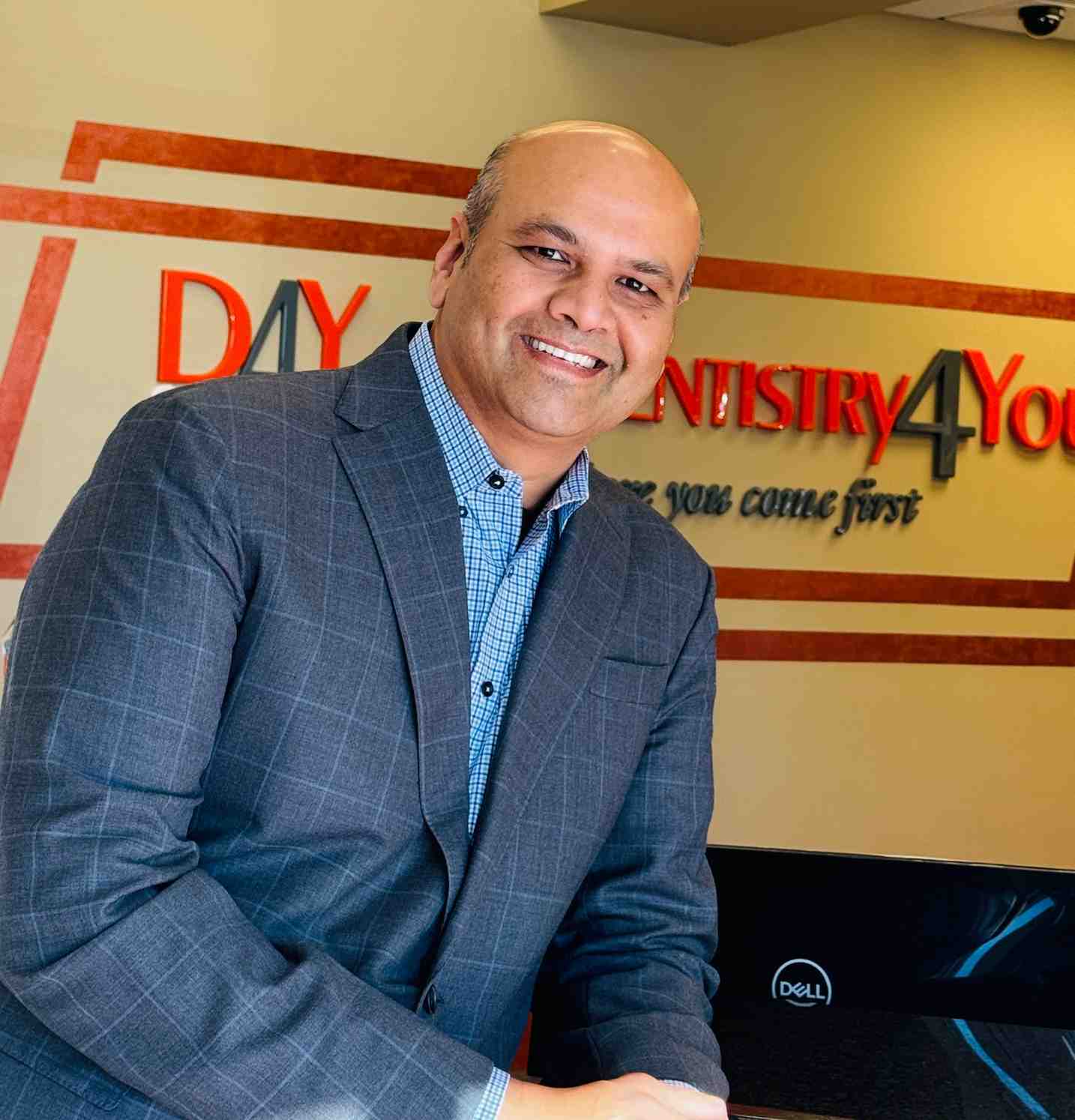
Dr. Uday
Dr. Uday is a trusted dental professional at Dentistry4You who puts patient comfort at the center of every visit. Known for his calm, reassuring approach, he combines advanced dentistry with personalized care focused on long-term oral health. Outside the clinic, he enjoys traveling and staying actively involved in the community. He serves on the Gwinnett County School Foundation Board and as an Executive Board Member of the Gwinnett Chamber of Commerce. Dr. Uday also volunteers at local health fairs and leads dental mission trips that provide free dental services to underserved communities in Africa.
Learn About
Our Offers

In our Suwanee, GA office, Dentistry4You proudly welcomes families of all ages, delivering trusted, personalized dental care in a modern and comfortable setting.
1039 Peachtree Industrial Blvd, Suite A116, Suwanee, GA 30024
Monday: 9:00am-7:00pm
Tuesday- Thursday: 8:00am-7:00pm
Friday: 8:00am-1:00pm
Saturday - Sunday: Closed
- General Dentistry
- Bridges
- Crowns
- Single Visit Crowns
- Fillings
- Night Guards
- Teeth Cleaning
- CEREC Crowns
- Dentures
- Fluoride Treatment
- Dental Sealants
- Sports Mouthguard
- TMD Therapy
- Sleep Apnea Therapy
- Sedation Dentistry
- Conscious Sedation
- Cosmetic Dentistry
- Bonding
- Full Mouth Rehabilitation
- Teeth Whitening
- Veneers
- Endodontics
- Root Canal Therapy
- Orthodontics
- Invisalign
- Clear Aligners
- Clear Braces
- Periodontics
- Gum Disease Treatment
- Scaling & Root Planning
- Oral Surgery
- Dental Implants
- Tooth Extractions
- Bone Grafting
- Crown Lengthening
- Gum Surgery
- Wisdom Tooth Extractions
- Pediatric Dentistry
© 2026 Dentistry4You. All rights reserved.